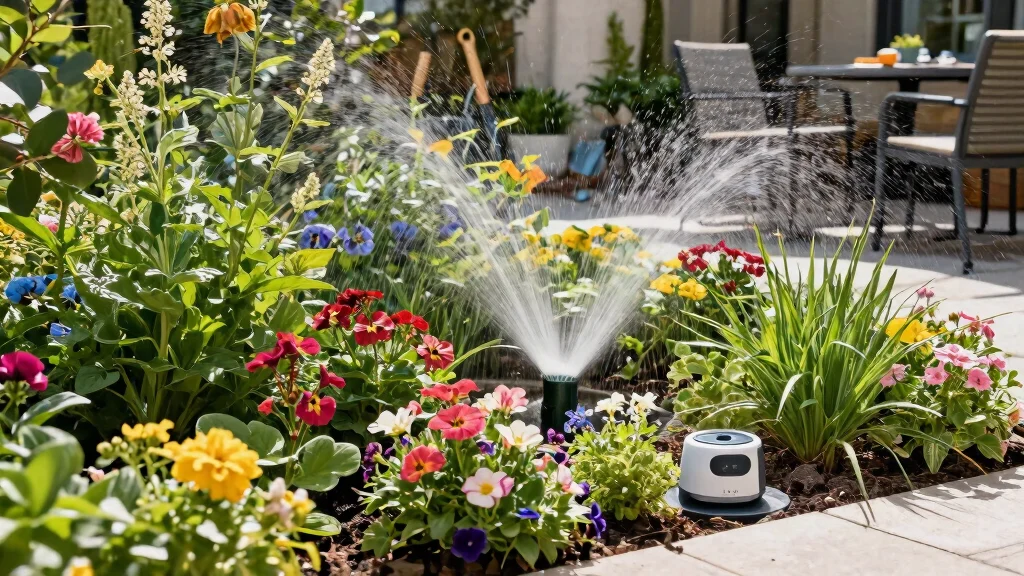
Sprinkler systems have a way of transforming your garden into a vibrant oasis, and as the gardening season approaches, I find myself craving a lush, green space. With the hustle of urban life, it can be tough to keep your plants thriving without a solid irrigation plan. That’s why I created this post—to help you navigate the essentials of setting up a sprinkler system tailored for your urban garden.
If you’re a city dweller eager to enhance your gardening game, this guide is for you. Whether you’re a seasoned gardener or just starting out, you likely care about saving time, water, and effort while nurturing your plants. With the right knowledge, you can create an efficient irrigation system that not only keeps your garden flourishing but also respects the environment.
In this post, you’ll discover 13 key concepts that will guide you through the basic setup of a sprinkler system. From understanding different sprinkler types to integrating smart solutions, each section is packed with practical tips and tricks. You’ll learn how to plan your layout, choose the best tools, and maintain your system for maximum efficiency. Let’s dive in and get your garden thriving with smart watering solutions!
Key Takeaways
– Understanding Sprinkler Types: Learn about various sprinkler types and how they suit different garden setups, from traditional sprays to modern drip systems.
– Planning Your Layout: Discover effective strategies for planning your garden layout to maximize coverage and minimize water waste.
– Choosing a Smart Timer: Find out how to select a smart timer for automated watering that fits your schedule and garden needs.
– Testing and Adjusting Coverage: Understand the importance of testing your sprinkler system for complete and even coverage—adjustments can make a big difference.
– Embracing Sustainable Practices: Explore ways to integrate water conservation techniques into your irrigation plan, helping you save resources while enjoying a beautiful garden.
Recommended Products
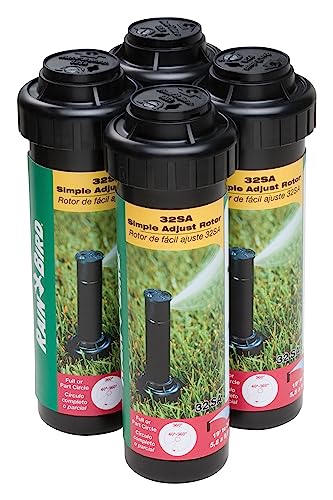
Economical 4-pack of water-lubricated, durable gear-driven rotors designed for reliable operation and long life

DURABLE, LEAK-RESISTANT CONSTRUCTION: Heavy-duty body and cap provide reliable, long-term performance in both residential and commercial irrigation systems. Ribbed body design adds stability in loose soil and improves grip during installation.

ADJUSTABLE ARC & SPRAY DISTANCE: Includes a preinstalled 3.0 GPM nozzle with an arc that adjusts from 40° to 360°, ideal for both full and part circle coverage. Delivers a spray distance of approximately 22 to 52 feet, with optional nozzles (sold separately) allowing further customization.
1. Understanding Sprinkler Types
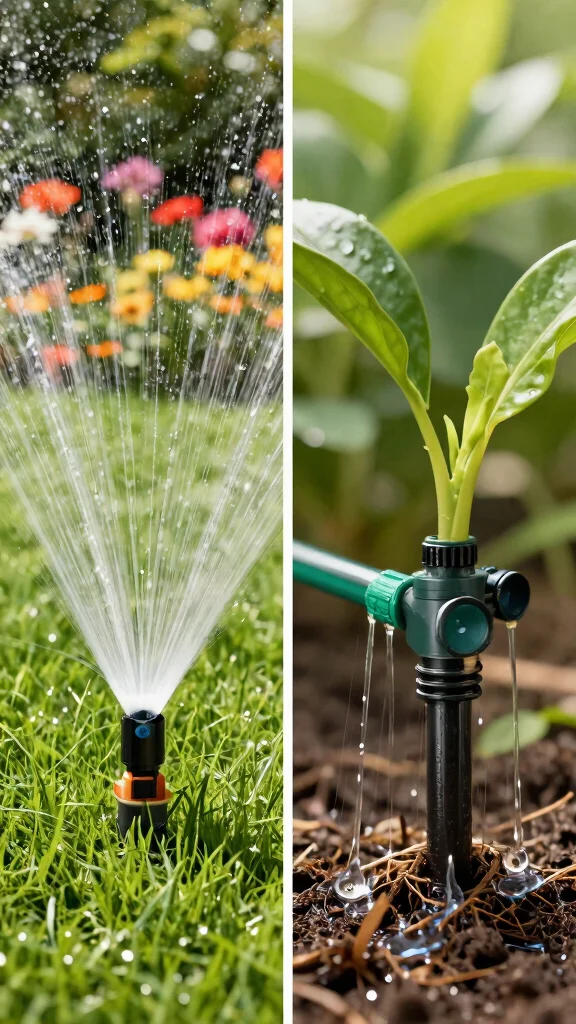
To create the perfect sprinkler system, you first need to know the types available. The two main categories are pop-up sprinklers and drip irrigation systems.
Pop-up sprinklers rise from the ground when needed, making them great for larger lawns. They cover wide areas with adjustable spray patterns, which suit various plants. In contrast, drip irrigation systems deliver water directly to roots, reducing evaporation and runoff, making them ideal for smaller, urban gardens.
Keep these factors in mind when selecting your system:
– Available installation space
– Types of plants in your garden
– Water pressure and availability
Choosing wisely will set your garden up for success!
Recommended Products

1/4 INCH IRRIGATION TUBING: Create a feeder line that supplies water to a low-flow, drip-watering device, or use as a main line in a small drip irrigation system; for trees, shrubs, flower beds, groundcover, vegetable gardens, and planters

Works like soaker hose only better because it doesn’t clog and requires no maintenance

Tubing & Inline Emitters In One. This 100 Ft Roll of 1/4 inch drip irrigation tubing has 0.5 GPH emitters built-in at 6-inch intervals for ultimate simplicity and ease of use. With this drip line tubing, there is no need to buy and install multiple individual irrigation drippers—they are already built-in. Create a flexible irrigation system setup that is easily extendable for expanding gardens.
2. Planning Your Layout
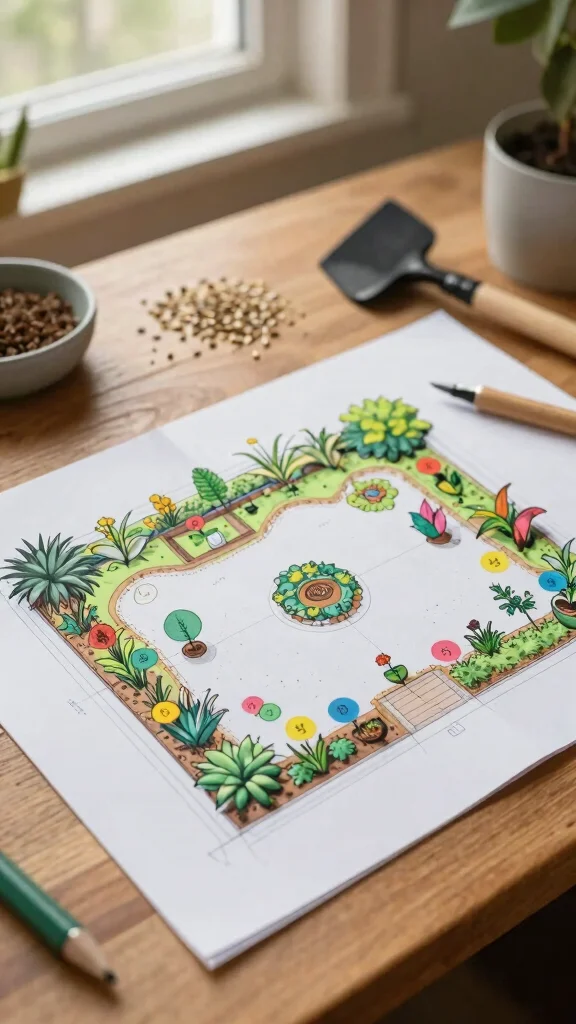
A thoughtful layout is vital for effective watering. Start by sketching your garden, noting where each plant type is located and their specific watering needs.
Group plants with similar water requirements to make your system more efficient. For instance, place thirsty plants near drip lines while drought-resistant ones can be further away.
Here are some layout tips:
– Measure your garden area accurately
– Identify sun and shade locations
– Plan for future plant growth
Mapping your garden ensures every plant gets the water it needs without waste!
Recommended Products

Advanced Smart Irrigation Control: The Orbit B-hyve XR Smart Sprinkler Timer manages underground watering with a powerful smart sprinkler timer system featuring WiFi-enabled connectivity

Intelligent Irrigation Control: The Orbit Smart Sprinkler Controller manages watering with a powerful smart sprinkler that supports a completely automatic watering system
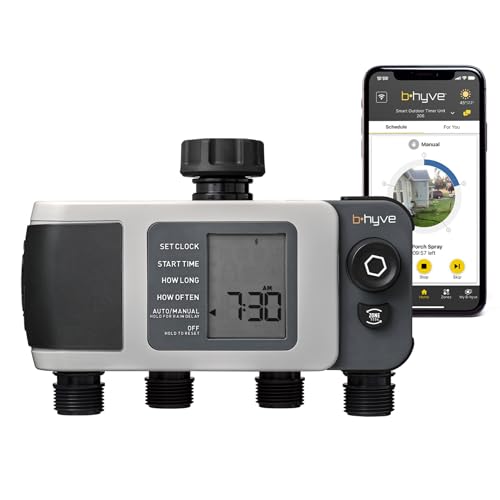
Automated Smart Watering: The Orbit 4-Port Smart Hose Watering Timer delivers effortless auto watering through an intelligent watering timer system
3. Choosing a Smart Timer
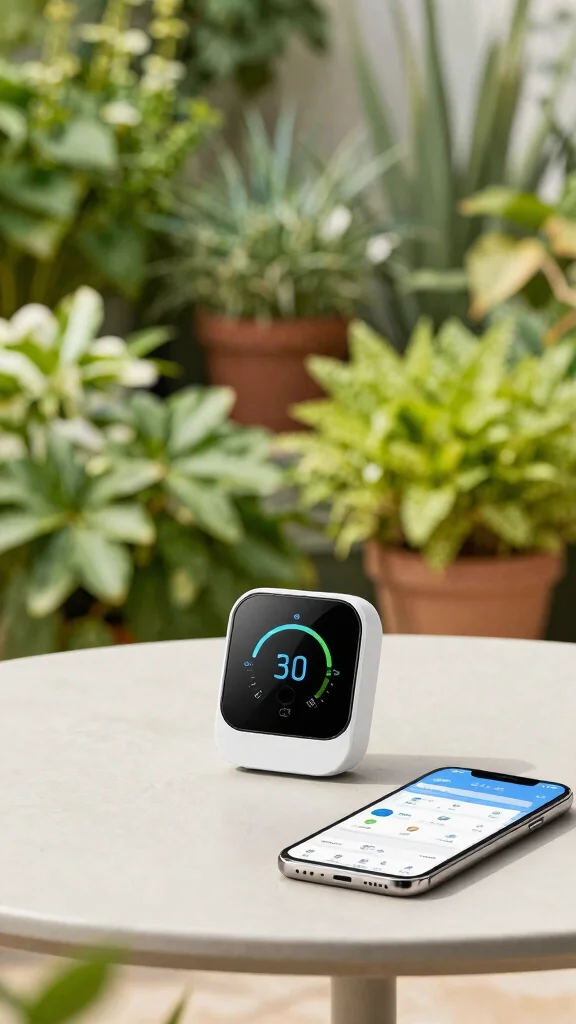
Smart timers revolutionize automated watering. These gadgets let you schedule watering based on your garden’s unique needs.
Many models connect to Wi-Fi, allowing remote control via a smartphone app, which is perfect for busy gardeners or those who travel.
When picking a smart timer, think about:
– Compatibility with your irrigation system
– Number of zones required
– Ease of programming and use
Look for rain sensors that adjust watering schedules based on the weather. This saves water while keeping your plants healthy!
Recommended Products
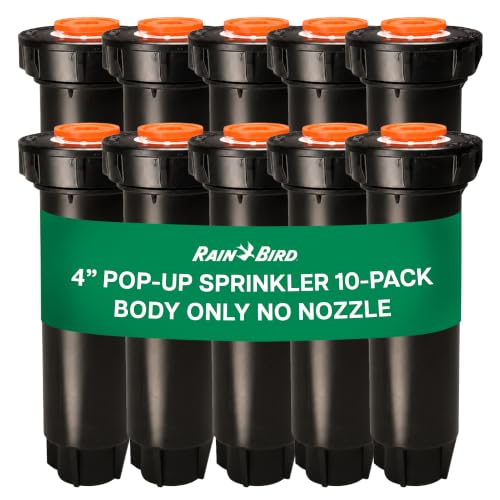
Customize Your Watering Setup - Build an irrigation system that fits your landscape. This 4-in pop-up sprinkler body comes without a nozzle, letting you choose the compatible Rain Bird 1800 Series nozzle that matches your coverage needs. No tools are required for quick nozzle changes.

What you will get: you will receive 10 pieces variable arc nozzles, enough for your replacements or share with friends and neighbors.
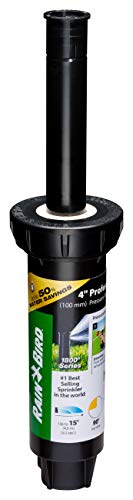
Approved for sale/meets pressure regulation legislation requirements in: CA, CO, HI, VT, MA, ME, NY, OR, RI, WA, and Washington DC
4. Installing Your System
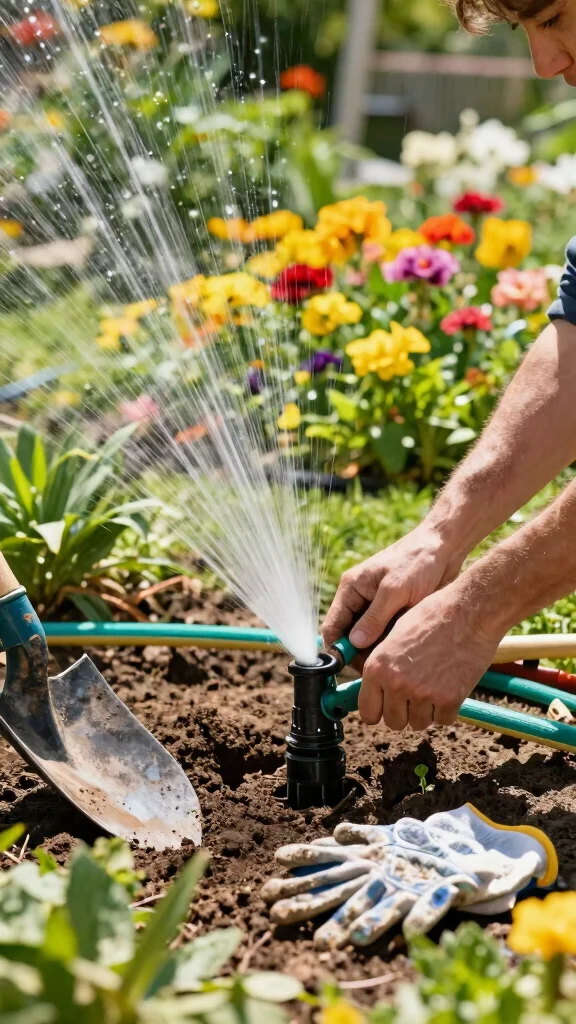
Installation is where it all comes to life, and it’s easier than you might think! Depending on your chosen system, follow these straightforward steps:
– Lay out hoses or pipes as per your design.
– Securely connect the sprinklers or drip lines.
– Attach your smart timer to the water source.
– Test the system to confirm everything works well.
Remember to bury any hoses or pipes for a neat appearance. A bit of hard work will result in a functional sprinkler system that keeps your garden thriving.
Recommended Products

1.0 gallon per hour pressure-compensating emitter delivers same uniform flow rate from beginning to end of tubing runs
Works like soaker hose only better because it doesn’t clog and requires no maintenance

【Tubing with Built-In Emitters – No Extra Drippers Needed】This 200 ft roll of 1/4" drip irrigation tubing comes with 0.5 GPH emitters pre-installed every 6 inches, making large-area watering easier and faster to set up. No separate drippers required—just cut, connect, and lay the tubing to match your garden layout. Ideal for scalable and expandable irrigation systems.
5. Testing and Adjusting Coverage
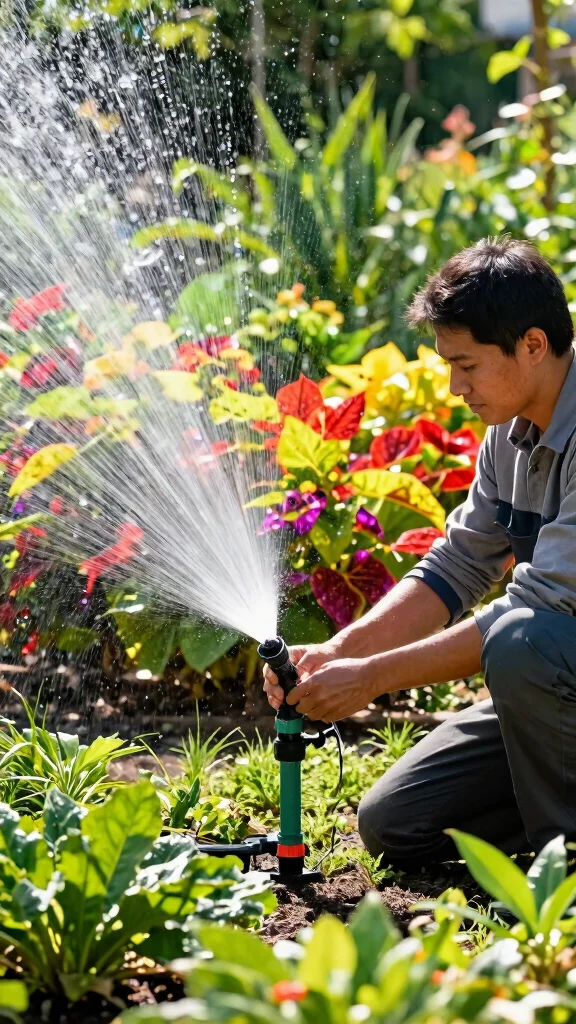
After installation, it’s time to test and tweak your system. Turn it on and observe how water spreads across your garden.
Watch for areas that might be overwatered or too dry. Adjust the spray heads or drip emitters — often, a simple twist will suffice!
Effective testing tips:
– Run your system for a minimum of 30 minutes.
– Monitor the water coverage.
– Take notes on areas needing adjustments.
After adjustments, retest to ensure all plants receive the right amount of water. A few tweaks will keep your garden nourished!
Fun fact: A misaligned sprinkler head can waste up to 30% of water. After tweaking heads, run your system for 30 minutes, then retest to confirm even coverage across every bed.
Recommended Products

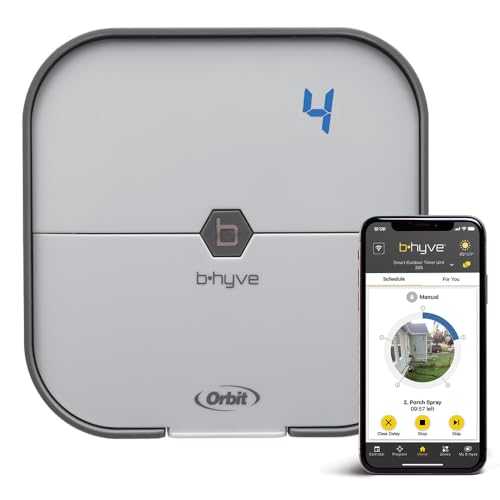
Smart Irrigation Control Anywhere: The Orbit B-hyve Indoor Smart Sprinkler Controller provides smart sprinkler timer functionality for efficient yard irrigation

【APP Remote Control】Use the Smart Life APP to add the WiFi Water Timer to your WiFi hub (2.4 GHz WiFi only) so you can create watering schedules anytime, anywhere. The WiFi Sprinkle Timer connects to the gateway via RFID technology and supports longer distances (up to 196 ft.), providing a more stable signal than a Bluetooth connection. So you can travel with confidence! Note: Not compatible with tablets.
6. Seasonal Adjustments
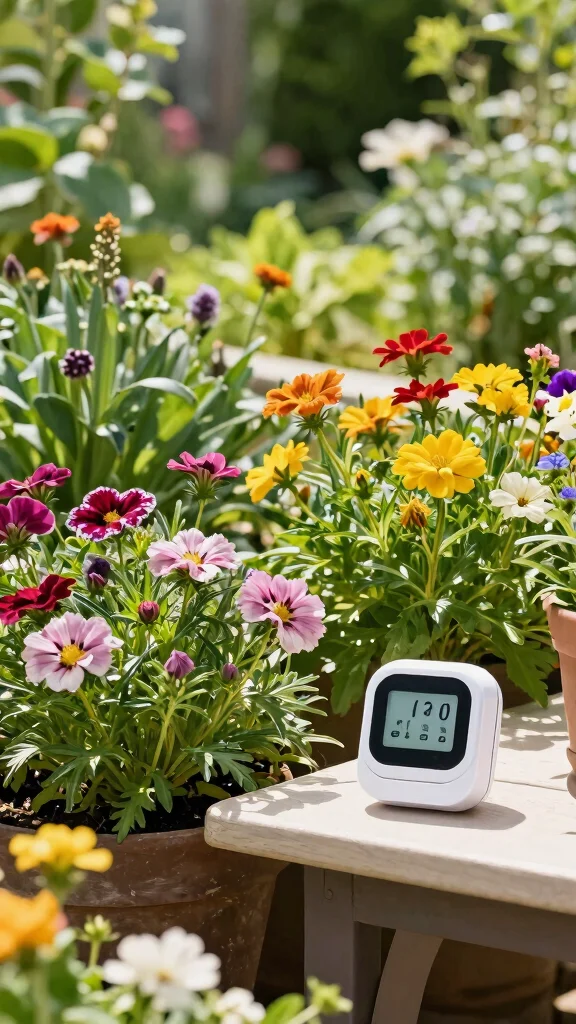
Your garden’s needs change with the seasons, so your watering schedule must adapt too. In hot summer months, your plants may need more water, while cooler months require less.
Update your smart timer settings according to the season. Most timers make this easy, with some offering weather updates for optimal watering times.
Key seasonal tips:
– Observe plant growth patterns
– Adjust timings based on temperature and rainfall
– Factor in humidity levels
Being proactive with these changes ensures your garden stays vibrant, no matter the climate!
Recommended Products

QUICK & EASY INSTALLATION – Step spike design allows fast setup; simply attach to any standard garden hose

Lush Lawn Coverage: The Orbit H2O-Six Gear Drive Sprinkler delivers efficient watering for lawns and gardens with six spray patterns, offering large-area coverage

Heavy Duty Construction: Built to withstand daily outdoor use and harsh weather, this lawn sprinkler features a metal base for superior sturdiness and long-term durability. The solid metal structure resists rust, wear and deformation, delivering stable performance and reliable irrigation for years of outdoor gardening use.
7. Integrating Rain Sensors
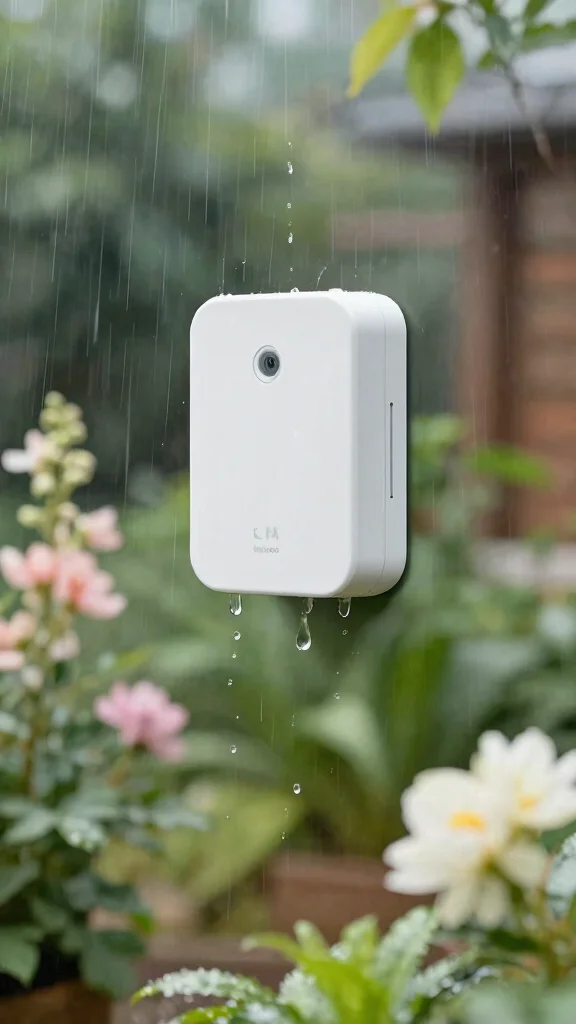
Rain sensors are a smart addition to any irrigation system. They automatically turn off your sprinklers when it rains, conserving water and preventing overwatering.
Many modern systems have built-in rain sensors, but you can also add one separately if needed.
Benefits of rain sensors include:
– Reducing unnecessary water waste
– Keeping plants healthy by preventing soggy roots
– Easy installation and integration
Investing in this technology not only saves water but also promotes eco-friendly gardening.
Recommended Products

Versatile Watering Options: Includes three different emitters that deliver 360° adjustable misting, stream, and vortex flow to meet the needs of various plants. This drip irrigation system allows you to drip water precisely where it’s needed, ensuring efficient hydration and healthy growth for every type of plant in your garden.


Versatile Watering Options: Includes three different emitters that deliver 360° adjustable misting, stream, and vortex flow to meet the needs of various plants. This drip irrigation system allows you to drip water precisely where it’s needed, ensuring efficient hydration and healthy growth for every type of plant in your garden.
8. Regular Maintenance Checks
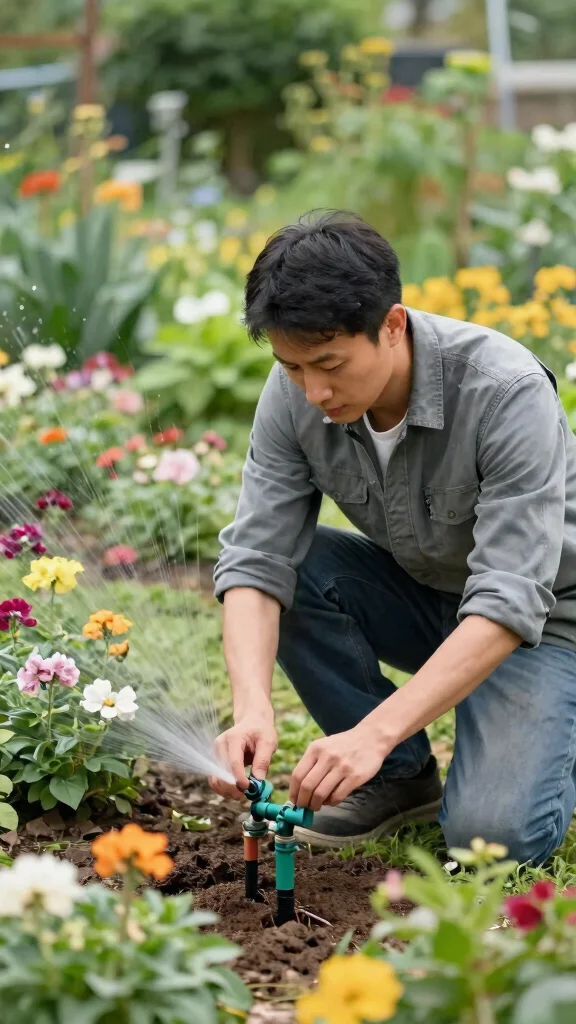
Maintaining your sprinkler system is essential for effective watering. Regular checks can help spot issues before they escalate.
Make it a routine to inspect your system every few months. Look for leaks, clogs, or damaged parts.
Maintenance tips:
– Clean sprinkler heads to prevent blockages
– Inspect hoses for cracks or leaks
– Ensure your timer is functioning properly
Staying on top of maintenance will extend your system’s life and keep your garden flourishing.
Recommended Products
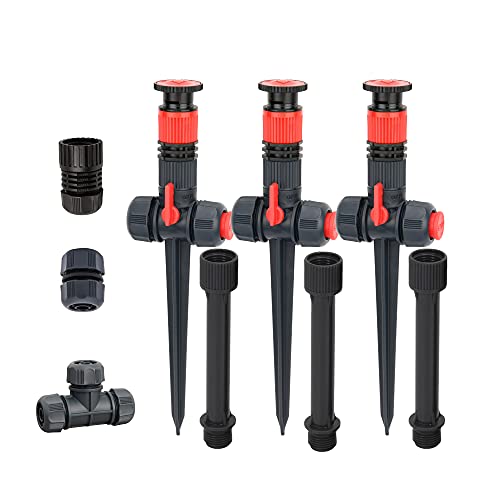
ULTIMATE FLEXIBILITY FOR ANY GARDEN SHAPE – Place sprinklers exactly where you need them- perfect for lawns, flower beds, raised gardens, and more.

IMPACT SPRINKLER SET: Package includes brass sprinkler head*1, tripod base*1, stakes*3 and user manual*1. Operate the sprinkler within the recommended temperature range 41℉-113℉, or it may cause damages or reduce its lifespan.
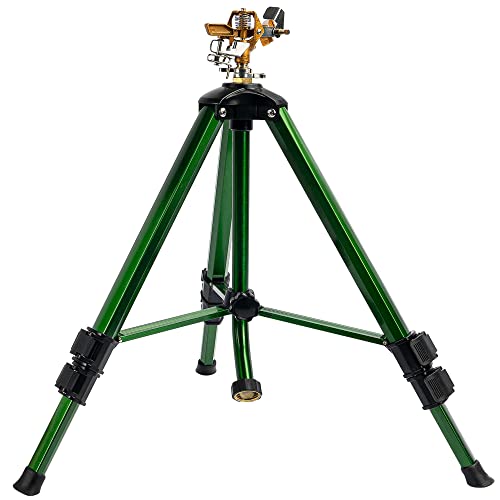
Impact Lawn Sprinkler: Package Include 1 pieces brass impact sprinkler, 1 pieces tripod base. Achieve free rotation spray water 0-360 degree. You can adjust the spray distance and spray angle through the 4 different adjustments on the rainbird sprinkler heads according to your needs.
How To Choose The Right Sprinkler System
Choosing a sprinkler system can feel overwhelming, but breaking it down into simple criteria makes it easier. You want to ensure it fits your garden’s needs and conserves water. Here’s a step-by-step guide to help you make the best choice for your urban garden.
1. Determine Your Garden Size
Start by measuring your garden. How big is your space? Knowing the square footage helps you figure out how many sprinkler heads you’ll need. A smaller garden might only need a few heads, while a larger garden may require multiple zones. This measurement is essential for selecting the right system that will effectively cover your entire area.
2. Understand Sprinkler Types
There are several types of sprinkler systems to choose from. For instance, rotary sprinklers are great for larger areas, while fixed sprinklers work well for smaller spots. Drip irrigation systems are perfect for garden beds, focusing water directly at the roots. Researching these options allows you to choose the right type based on the specific layout and plant needs in your garden.
3. Look for Smart Features
Consider investing in a smart timer or controller. These devices can automate watering schedules and help conserve water by adjusting to weather conditions. Some systems even connect to your smartphone, allowing you to monitor and adjust your watering remotely. This feature is particularly useful for urban gardens, where time and water conservation are critical.
4. Consider Budget and Maintenance Costs
Sprinkler systems come in various price ranges. Set a budget before you start shopping. Remember to factor in installation and ongoing maintenance costs too. Some systems might be cheap to install but can cost you more in the long run with high water bills or frequent repairs. Compare the initial costs with the long-term benefits for your garden.
5. Evaluate Water Pressure
Check your water pressure before selecting a system. Low pressure may not support a high-volume sprinkler system, while high pressure could damage delicate drip systems. You can measure your water pressure with a gauge, or your local water utility can provide this information. Choose a system that matches your pressure levels to ensure optimal performance.
6. Read Reviews and Get Recommendations
Before finalizing your purchase, read reviews and ask for recommendations from other gardeners. Their experiences can provide insight into the reliability and effectiveness of various sprinkler systems. Online forums and local gardening clubs can also be valuable resources for finding the best options tailored to your urban gardening needs.
Pro Tip: Always opt for a system that allows for expansion. Your gardening needs may change over time, and having the option to add more zones or upgrade components can save you hassle and money in the future. 🚀
9. Energy Efficiency and Water Conservation
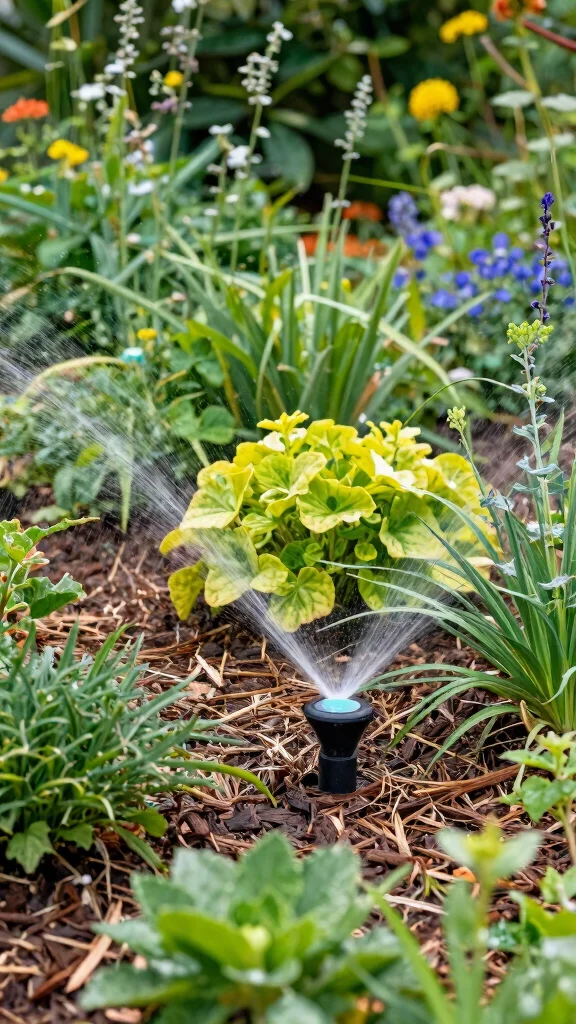
Water conservation is key for gardeners, and a well-designed sprinkler system can help. Choosing energy-efficient systems and using timers significantly reduces water waste.
Implement strategies like watering early in the morning or late in the evening to limit evaporation.
Additional conservation tips:
– Use mulch to retain soil moisture
– Plant native species that need less water
– Adjust your watering schedule based on weather reports
A sustainable garden not only thrives but also conserves valuable resources.
Fun fact: a sprinkler system running at dawn can cut evaporation by up to 30%. Pair timers with mulch and native plants to save gallons weekly. Small tweaks to your system make a big impact on energy efficiency and conservation.
10. Troubleshooting Common Issues
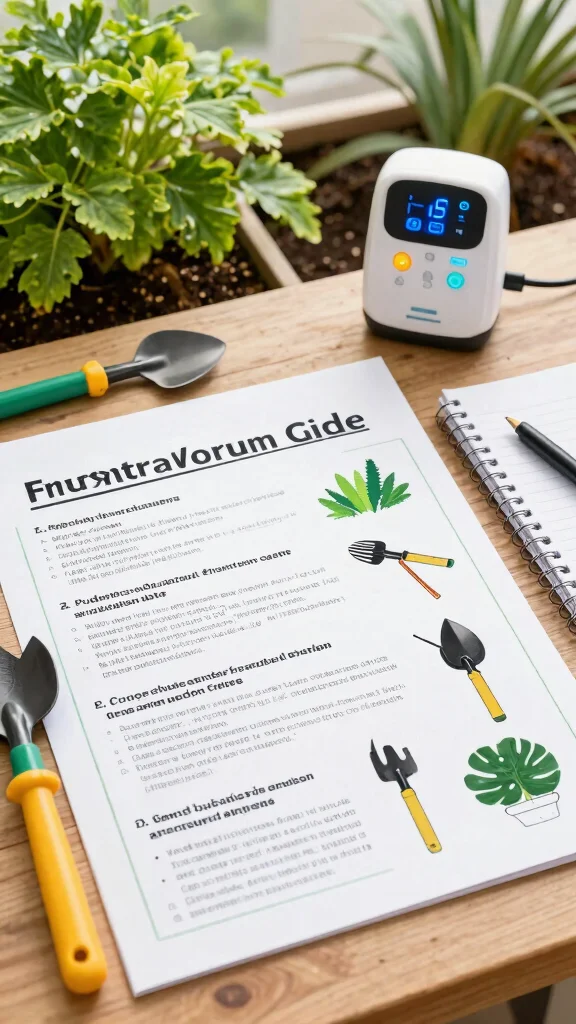
Even the best systems can face challenges! From uneven watering to a malfunctioning timer, knowing how to troubleshoot is crucial.
Familiarize yourself with common issues and solutions:
– Uneven water distribution: Adjust the sprinkler heads.
– Plants wilting: Check for clogs in the drip lines.
– Timer not responding: Replace batteries or reset it.
Keeping a troubleshooting guide handy will save you time and stress, ensuring your garden remains lush and healthy.
Did you know 8 out of 10 sprinkler system timer hiccups are fixed in under 5 minutes? Troubleshooting keeps your plants thriving and saves you time. Check for uneven watering, clear clogs, and reset batteries—your garden will thank you.
11. Exploring Automated Watering Solutions
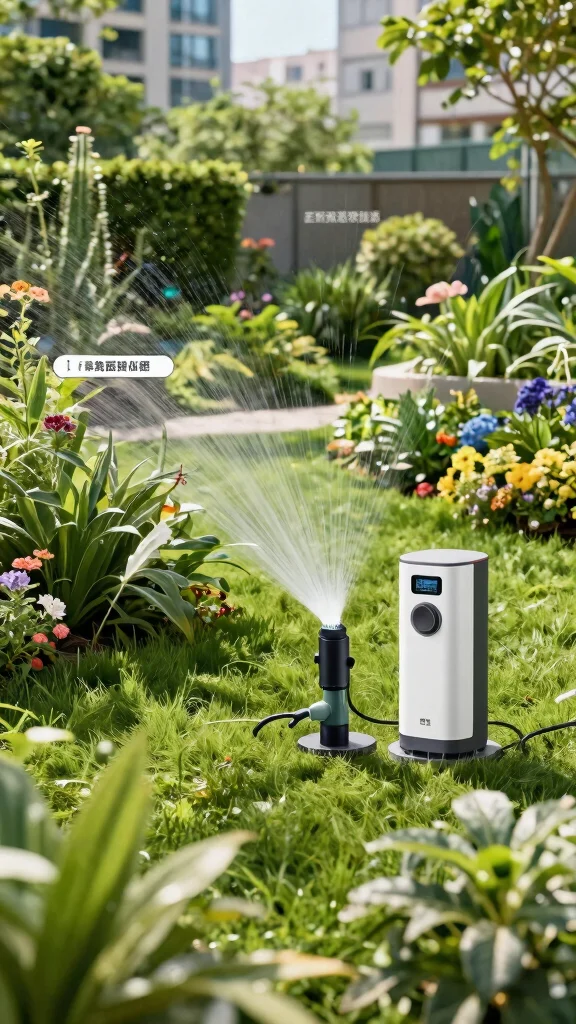
Thanks to technology, automated watering solutions are more accessible than ever. From soil moisture sensors to weather-based controllers, these tools fine-tune your watering schedule based on real-time conditions.
Benefits include:
– Efficient water usage
– Enhanced plant health
– Greater convenience for busy lifestyles
Look for systems that integrate with smart home setups for a seamless experience. Exploring these options can enhance your gardening journey.
12. Embracing Sustainable Gardening Practices

Adopting sustainable practices in your gardening benefits both plants and the environment. Consider using compost and natural fertilizers alongside your irrigation system for healthy growth.
Explore eco-friendly practices such as:
– Harvesting rainwater
– Planting native species
– Reducing chemical fertilizers
By embracing sustainability, you cultivate a vibrant garden that thrives while minimizing your ecological impact.
13. Celebrating Your Garden’s Growth
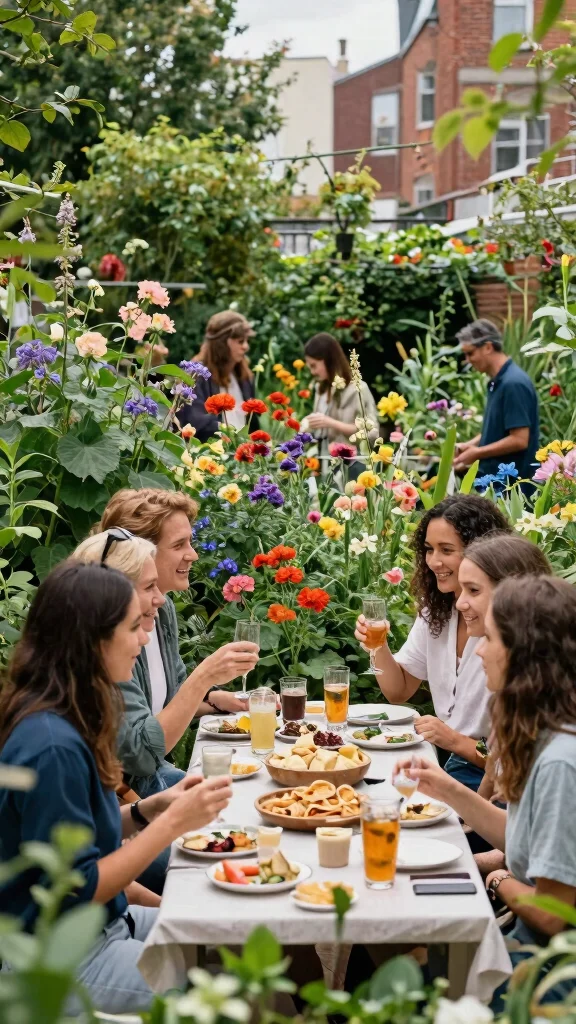
Once your sprinkler system is in place, it’s time to relish your hard work! Watch your garden bloom and cherish the beauty of nature.
Capture photos of your progress and share your gardening journey with loved ones.
Consider hosting a small garden party to showcase your stunning creation! A flourishing garden brings joy and tranquility to urban living, making every effort worthwhile.
Conclusion
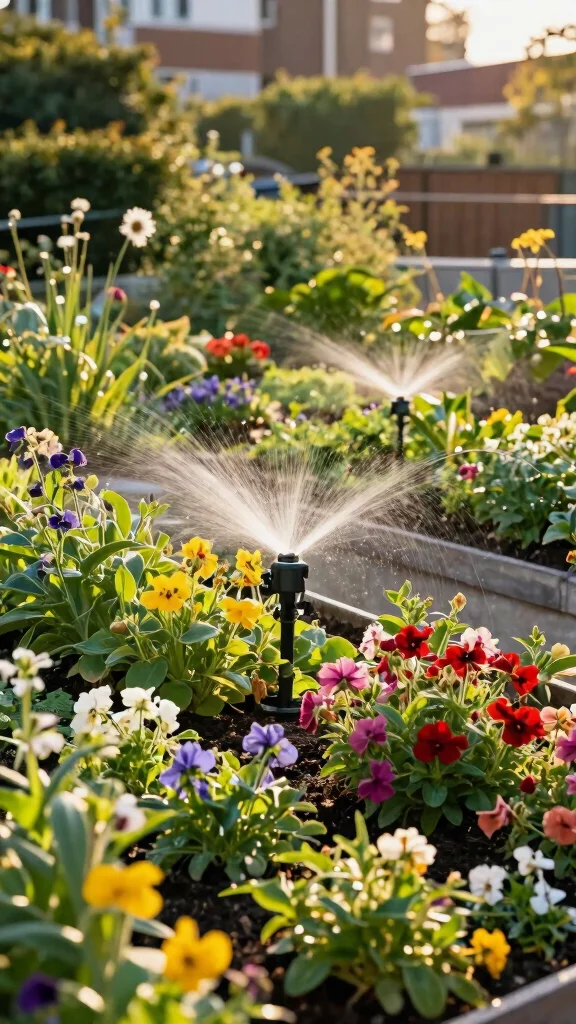
Establishing a successful sprinkler system in your urban garden is both rewarding and essential for maintaining vibrant plant life.
By implementing smart irrigation solutions, you not only save water but also nurture a sustainable and beautiful environment. Consider experimenting with new technologies and methods, and don’t hesitate to adjust your approach as needed. Happy gardening!
Note: We aim to provide accurate product links, but some may occasionally expire or become unavailable. If this happens, please search directly on Amazon for the product or a suitable alternative.
This post contains Amazon affiliate links, meaning we may earn a small commission if you purchase through our links, at no extra cost to you.
Frequently Asked Questions
What is a sprinkler system and what basic components should I know for a quick setup?
Think of a sprinkler system as an automated way to water your lawn and garden.
For a basic setup, know these parts: water source, backflow preventer, valves, controller, and sprinkler heads.
Start by mapping your space into zones based on sun, soil, and plant needs, then assign a valve to each zone and choose heads that fit each area.
Test the system, adjust coverage, and program your automated watering schedule to fit the season. This keeps your garden irrigation system happy and your water use efficient.
How can I design an efficient sprinkler system for a small urban garden while keeping water conservation in mind?
Designing an efficient sprinkler system in a small urban garden is all about smart layout and water-wise choices.
Use landscape design that groups plants with similar water needs into zones, and choose drip irrigation systems or low-volume heads for beds and containers.
Place sprinklers to avoid hardscapes, mulch generously to cut evaporation, and program watering windows in the early morning to maximize water conservation.
Finally, test each zone for even coverage and adjust as plants mature.
What are the best practices for automating watering with a sprinkler system?
Automation works best with a reliable timer and a smart controller that can adjust to weather.
Choose a controller compatible with your system, assign each zone, and set seasonal schedules. Enable rain sensors or soil moisture sensors to pause watering during rain or when the soil is damp.
Keep an eye on leaks and head-to-head coverage, and adjust as needed so your sprinkler system delivers consistent garden irrigation without waste.
How do I integrate a sprinkler system with drip irrigation for a mixed garden?
Mixing sprinklers with drip irrigation gives you the best of both worlds.
Create zones: a lawn zone with sprinklers and one or more bed zones with drip irrigation systems. Use emitters with the right flow rates, bury lines near root zones, and mulch to reduce evaporation. Combine with smart controllers to schedule both systems efficiently and conserve water.
What maintenance checks help prevent leaks and save water in a sprinkler system?
Do a maintenance walk-through each season: look for soggy patches, listen for leaks, and verify sprinkler coverage.
Inspect the backflow preventer, clean or replace filters on emitters, and flush lines to clear debris. Check for misaligned heads and broken seals, then winterize in cold climates and use water conservation practices year-round.
Recommended Products


Even & Consistent Root Watering: Unlike traditional drip irrigation system with clog-prone emitters, MIXC soaker hose features micro-pore seepage technology that distributes water evenly along the entire hose - transforming spot watering into uniform line watering directly to plant roots. This soaker hose system creates a steady, continuous band for deeper, healthier roots

Maintains optimum 25 psi pressure and water flow to Drip lines and emitter devices
Related Topics
smart irrigation
urban gardening
drip irrigation
automated watering
landscape design
water conservation
beginner friendly
easy setup
garden maintenance
sustainable gardening
efficient watering
seasonal gardening